

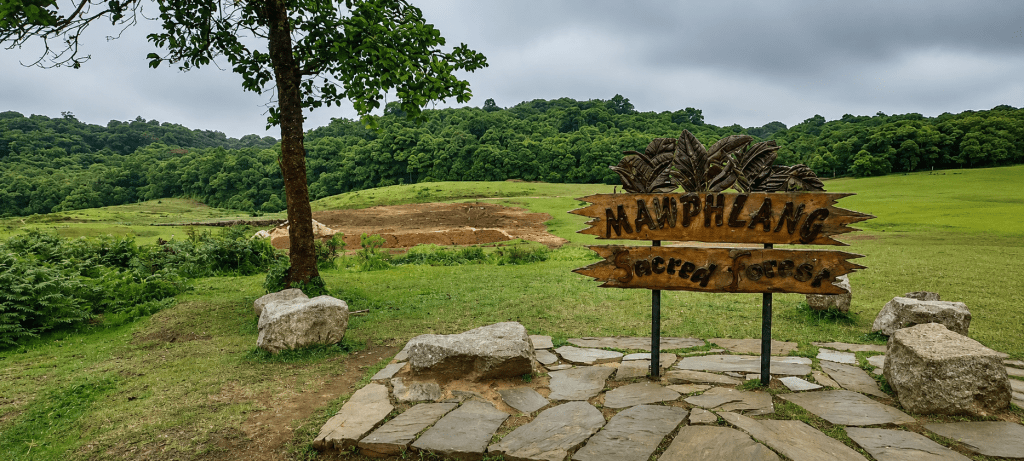
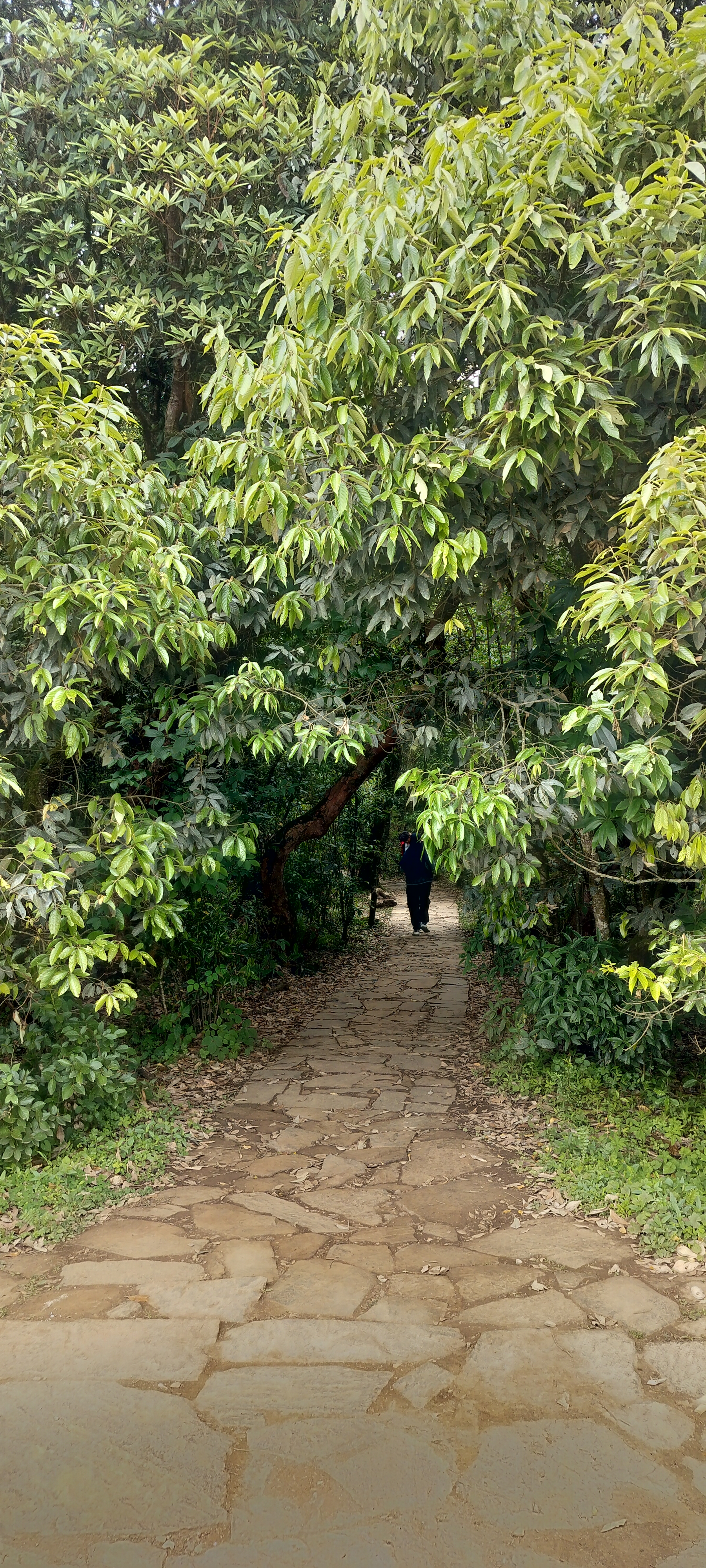
During a recent visit to the sacred groves of Mawphlang in Meghalaya, I found myself reflecting on an idea that modern conservationists often overlook. Here was a forest that had survived for centuries, not because of government regulations, scientific management plans, or environmental activism, but because generations of people believed it was sacred.
Many rationalists may dismiss such beliefs as superstition. Yet standing beneath the ancient canopy of Mawphlang, one cannot help asking a simple question: if a belief helps preserve nature, should we be so quick to reject it?
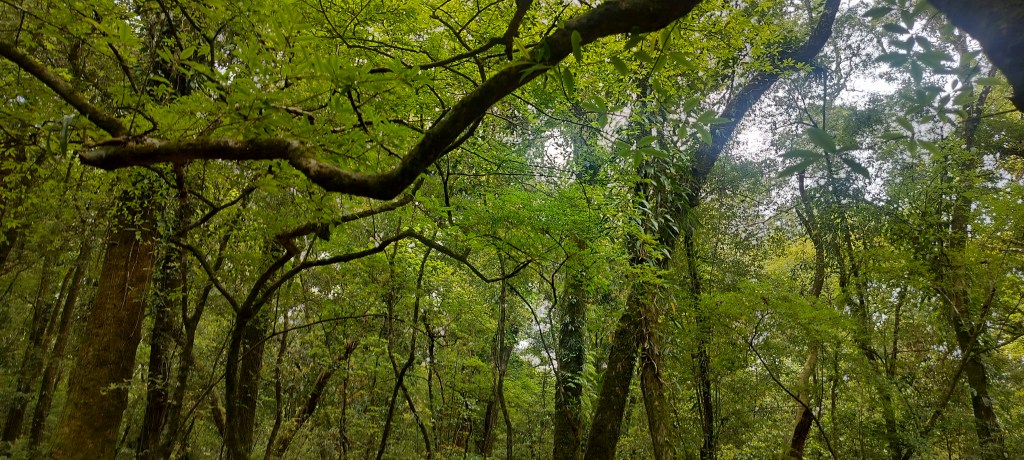
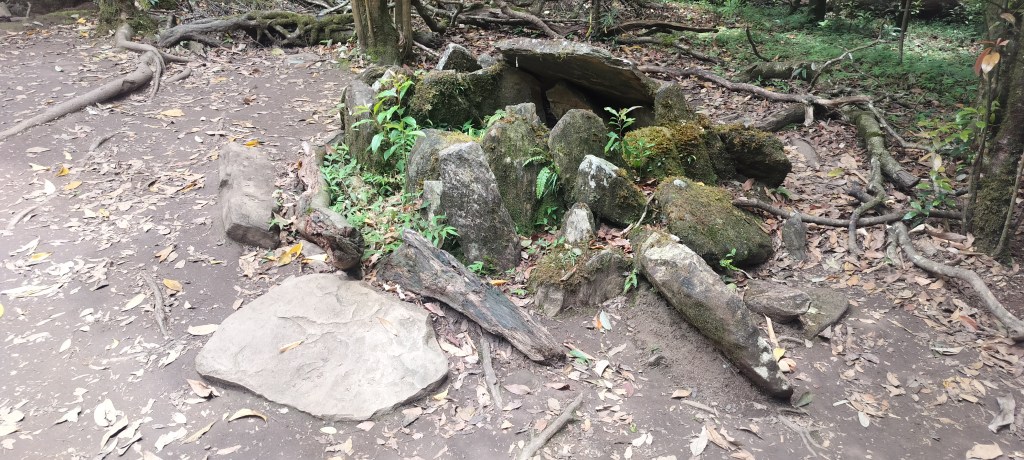
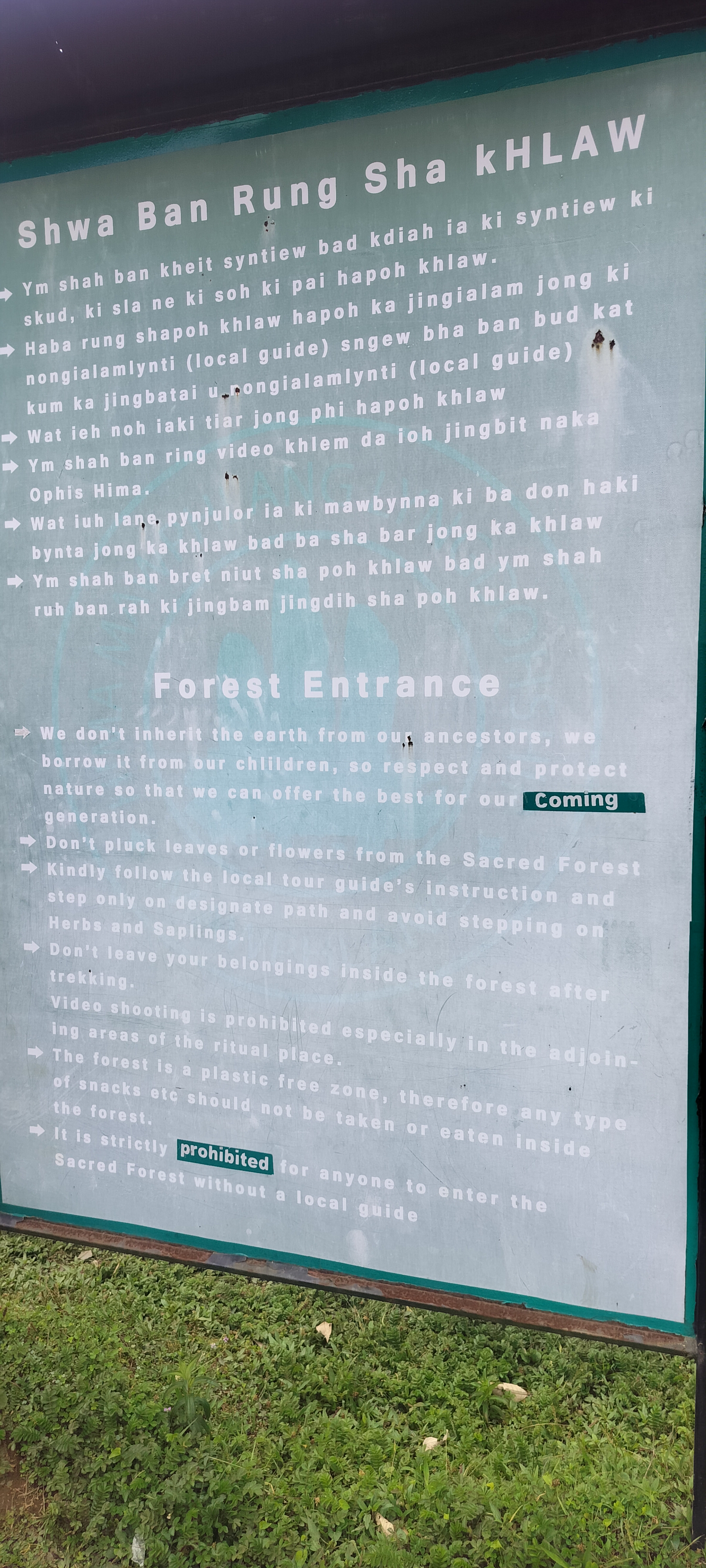
The sacred groves of Meghalaya are among the finest examples of community-led conservation in the world. For centuries, local Khasi communities have protected these forests through a set of cultural and spiritual traditions. The unwritten rule is simple: nothing should be removed from the grove. Fallen leaves, branches, stones—everything belongs to the forest. As a result, these patches of woodland have become living museums of biodiversity, preserving species and ecological relationships that have disappeared elsewhere.
Modern environmentalism often approaches conservation through legislation, economics, and scientific arguments. These are valuable tools, but they have limitations. Laws can be ignored. Economic incentives can change. Scientific facts may persuade the mind but not necessarily the heart.
Sacredness works differently. It creates an emotional and moral bond between people and nature. A tree ceases to be merely timber. An animal becomes more than a source of meat. A forest becomes more than real estate. Once something enters the realm of the sacred, it acquires a protection that no fence can provide.
India offers many remarkable examples of this phenomenon.
The Bishnois of Rajasthan are perhaps the most celebrated. For nearly five centuries, they have treated wildlife and trees with extraordinary reverence. Blackbucks roam freely through Bishnoi villages with little fear of human beings. The community’s commitment to protecting nature is so strong that history records instances where Bishnois sacrificed their lives to save trees from being cut. Long before the language of environmentalism emerged, they had already created a culture of ecological stewardship.
A similar spirit survives in parts of Odisha. Near Aska in Ganjam district, local communities have traditionally protected deer populations by associating them with the sacred. The animals move through village surroundings, fields, and open spaces without facing the dangers that wildlife often encounters elsewhere. Their survival owes less to official protection and more to collective cultural respect.
Such examples reveal an important truth. Human beings do not live by reason alone. We are creatures of stories, symbols, rituals, and shared meanings. Throughout history, societies have often used the language of the sacred to establish boundaries around what must not be violated. Rivers, mountains, groves, animals, and even entire landscapes were placed under the protection of myth, faith, and tradition.
Perhaps our ancestors understood something that modern society is beginning to rediscover. Nature cannot survive if it is viewed merely as a resource. The moment a forest becomes only timber, a river only water, or an animal only biomass, the logic of profit eventually overwhelms the logic of restraint.
This does not mean we must abandon science or critical thinking. Rather, we might recognize that science and sacredness need not be enemies. Science can tell us why ecosystems matter. Sacredness can inspire us to care enough to protect them.
The crisis facing our planet today is not merely ecological; it is also spiritual. We have become disconnected from the sense of wonder and reverence that once governed humanity’s relationship with the natural world.
As I walked through the ancient forests of Mawphlang, I wondered whether the future of conservation may depend not only on better policies and technologies but also on recovering a sense of the sacred. After all, people rarely destroy what they truly revere.
And if reverence succeeds where regulations often fail, perhaps it deserves more respect than modern minds are willing to grant it.


What a thought-provoking post about the beautiful grove of Mawphlang in Meghalaya. The concept of the elemental forces of nature is as old as humanity itself. The precursor to sacredness is awe: a deep respect for, and surrender before, the compelling powers of nature—rivers, fire, forests, mountains, volcanoes, the sun, and, by extension, the creatures that inhabit the natural world.
Your argument that there can be no more effective instrument of preservation than the feeling of sacredness is particularly persuasive. When a landscape is regarded as sacred, conservation ceases to be a regulation and becomes an instinct. Unfortunately, much of the modern world seems increasingly impatient with inherited restraints and traditions. In an age shaped by social media, novelty often commands greater allegiance than reverence, and the impulse to question or transgress can sometimes overwhelm the instinct to preserve.
The sacred grove of Mawphlang stands as a reminder that not everything of value survives because it is policed; some things endure because they are respected.
LikeLiked by 1 person
Thanks for appreciating the post. Attaching sacredness to nature has been the hallmark of our culture. There are many instances in India where people are following it. Hope more people adopt this attitude.
LikeLiked by 1 person
Actually that is precisely what the movie Kantara is about the sacred groves. We have reserves all along the westcoast. Along comes Abhinanadan Lodha and that is the end of everything sacred.
LikeLiked by 1 person
I think only strict legislation can prevent such things. Unfortunate big business houses give scant regard to the environment.
LikeLike
Tribal people always had a sacred relationship with nature. ‘Development’ destroyed it and keeps on destroying it. Today sacredness has become mere slogans meant to hoodwink people.
LikeLiked by 1 person
Somewhere you are right. Some are misusing sacredness. However still there are people who attach sacredness to certain elements of nature and take care to protect it. These people, even though not many, provide some hope.
LikeLike