

A VISIT TO THE HISTORICALLY MOST IMPORTANT MOUNTAIN IN THE EASTERN GHATS WHERE LORD PARSHURAM THE IMMORTAL BEING IS SAID TO BE IN MEDITATION.
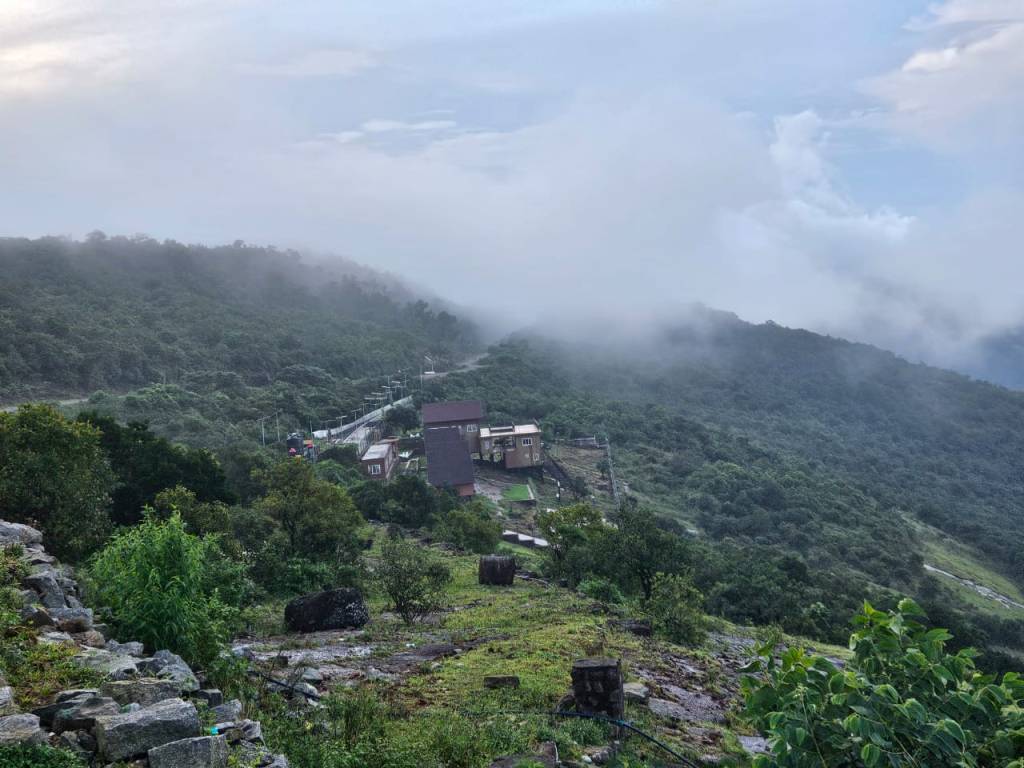
Recently, I had been to Mahendra Giri, which has the second most highest mountain peak of Odisha. Mahendra Giri is part of the Eastern Ghats, which is the second oldest mountain range of India.
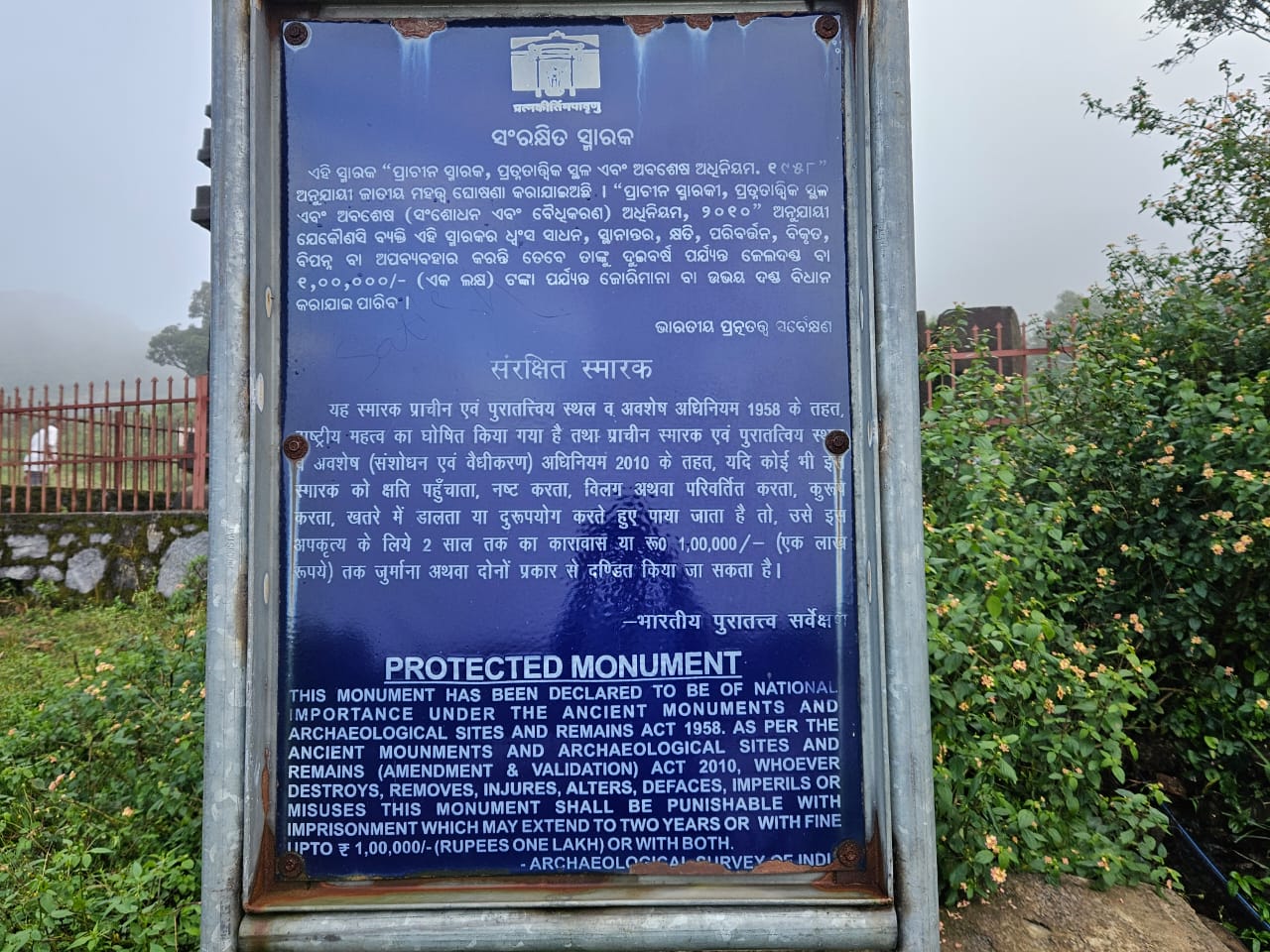
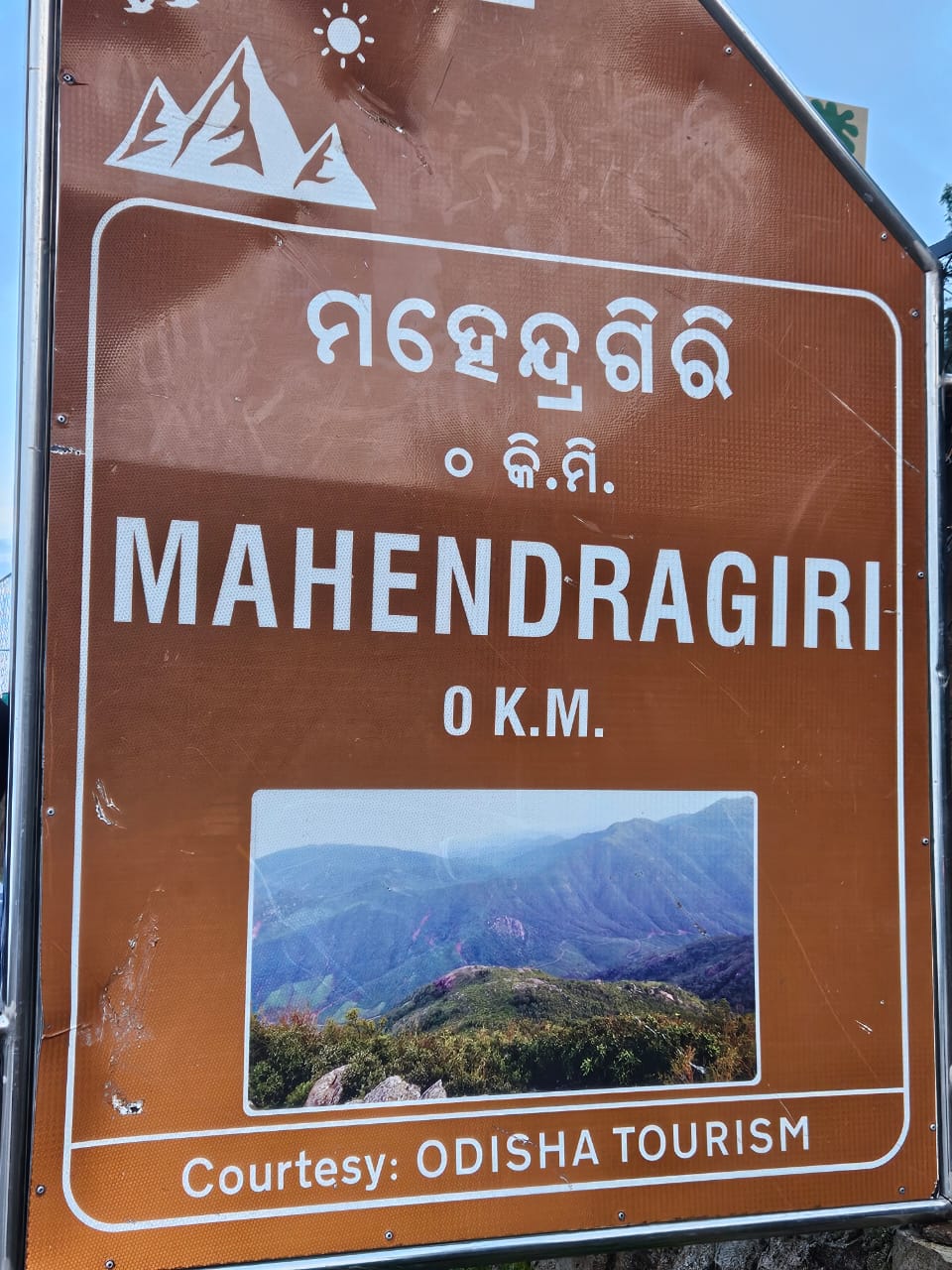
Mahendragiri today stands at stands at 1500 odd meters and it may be the third highest peak compared to nearby mountains like Jhinda garh in AP and Deomali in Odisha. But Mahendragiri is historically the most important mountain in the region, even though it is one of the les travelled destinaions of Odisha.
Lord Parshurama is said to have retired to this place after finishing his worldly role. It is believd that, as an immortal he is still in deep meditation somewhere on it’s top. Why so much importance on this peak while other two are hardly known to ancestors? My speculation is that it could have been the highest in the past and now it has come down because of erosion and land slide.
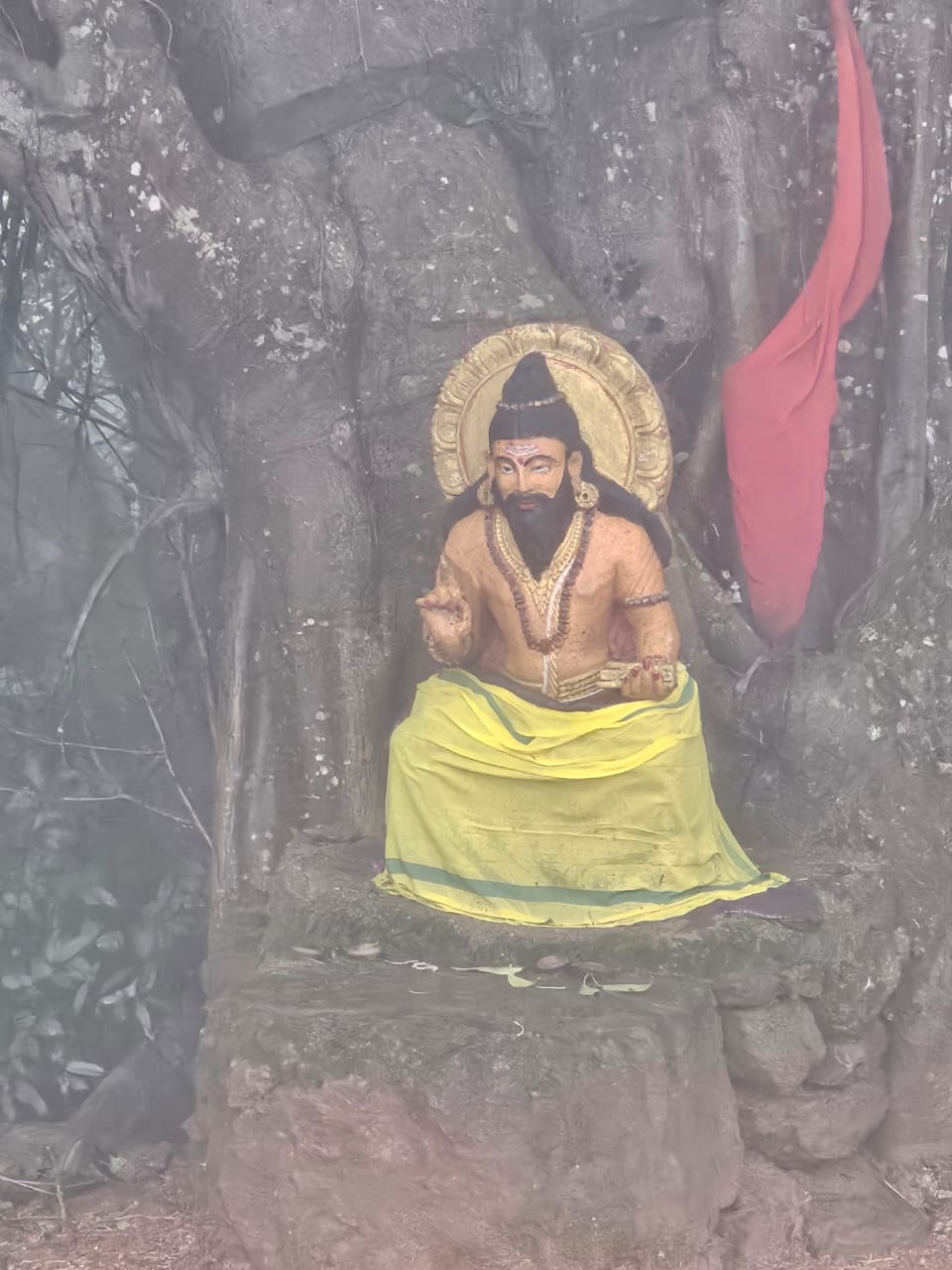
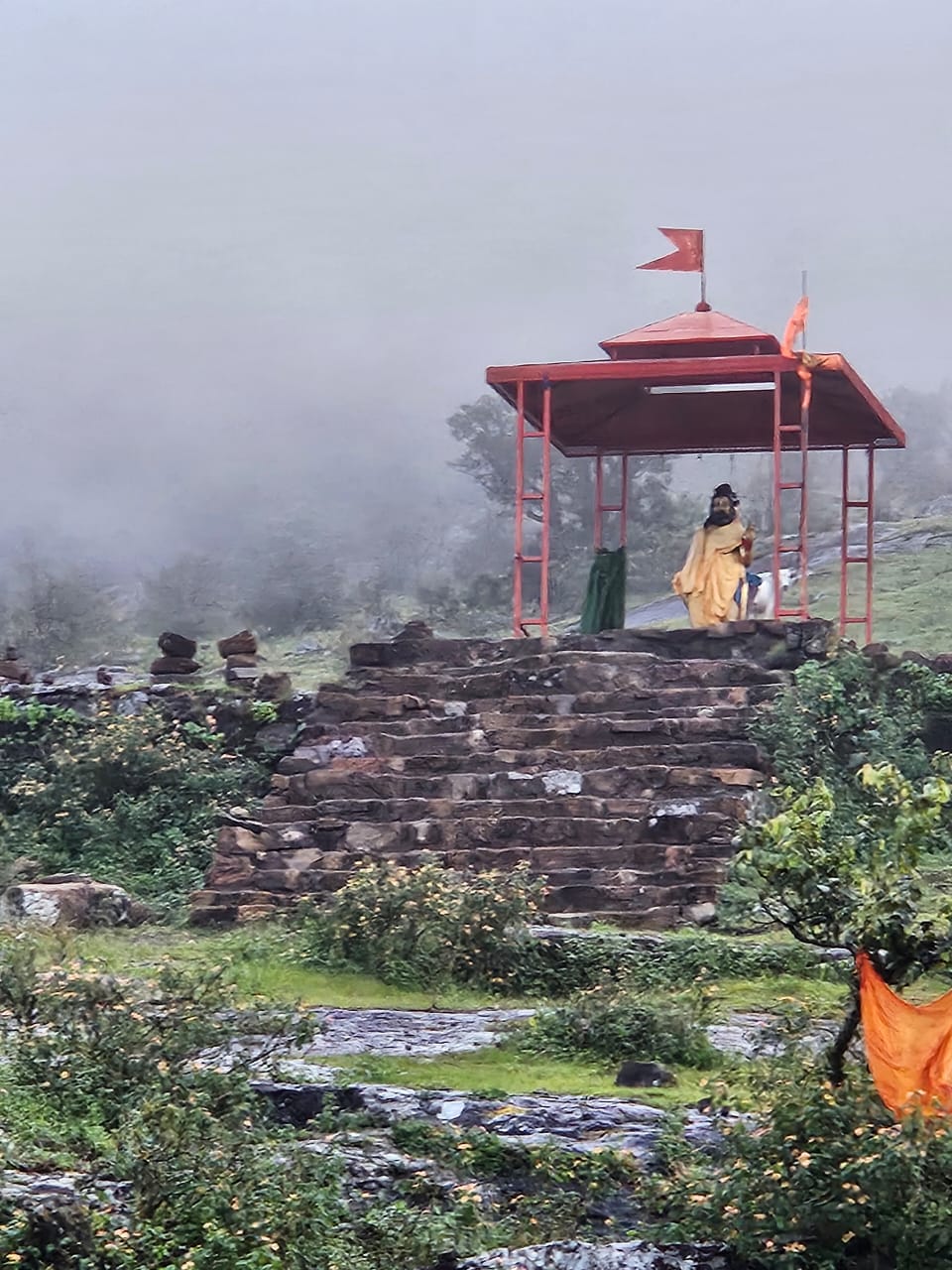
It’s Parshuram connection was the only thing I knew before visiting the place. However, it holds more real history secretly within. Eastern ghats were formed when India was part of Gondwana land that gave rise to India, Australia and Antarctica as per theory of plate tectonics. When India separated out from main Gondwana land, the Eastern ghat broke and half of it came with India and the other half remained in Antarctica as Rayner complex. Strange, and even mind blowing is the folklore in southern India about a lost extension of India called Kumari Kandam. Is it somehow linked to some land mass now under the sea or previously attached, but now separated land mass like Sri lanka, Antarctica or Australia? I wonder.
Coming to more recent history, here there are temples built in the names of Yudhisthira, Bheema and Kunti, but dedicated to lord Shiva . They were built by a Chola king and cholas a we know were staunch Shaivites. But strangely, the temples are not in Dravidian, but in Nagara style. The ASI inscription on door relief says that King Rajendra Chola constructed this temple in 8th CE after defeating his own brother- in- law and Eastern Chalukya King Vimaladitya. A tiger and two fishes are there as mark of his emblem.
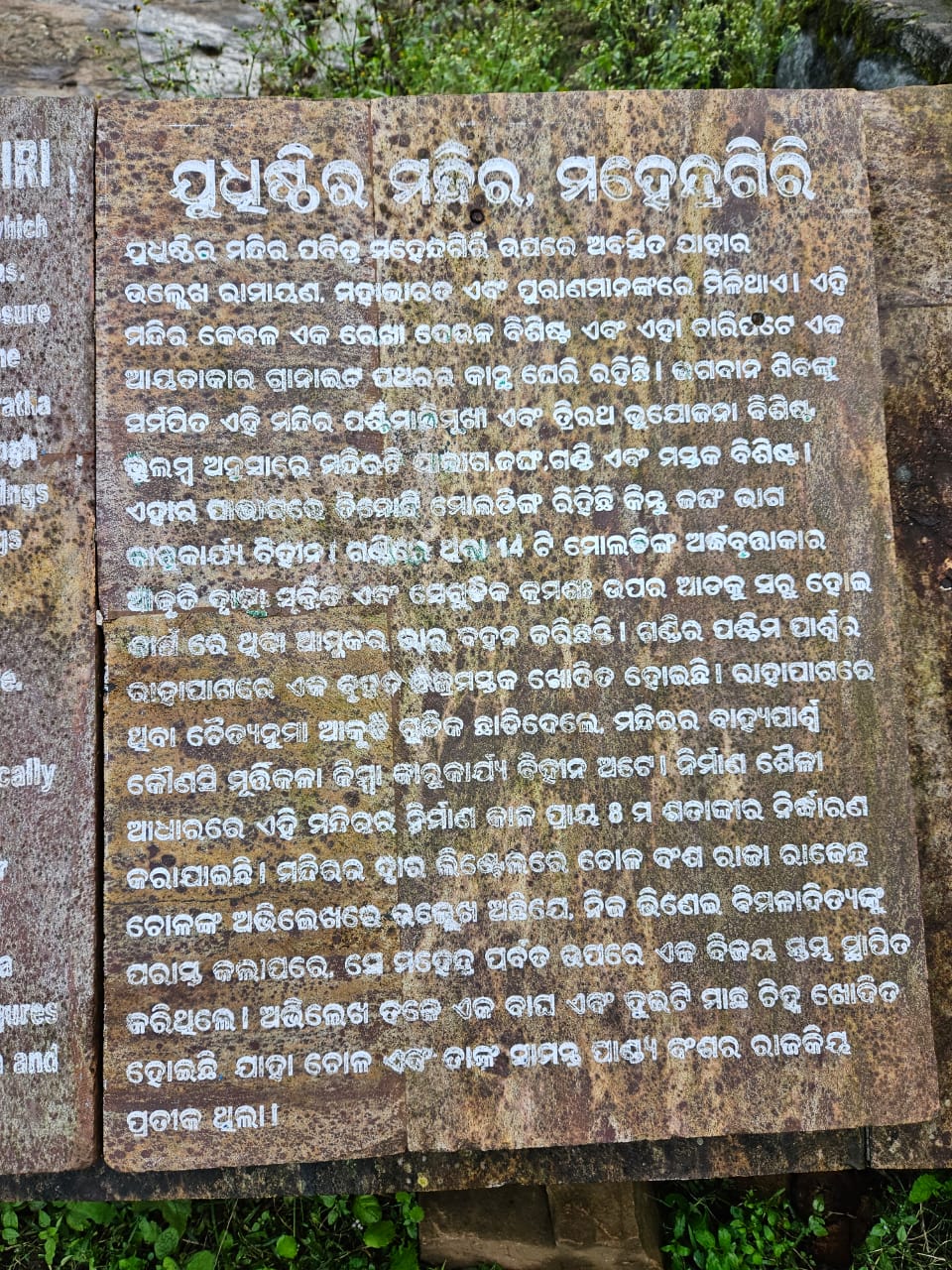
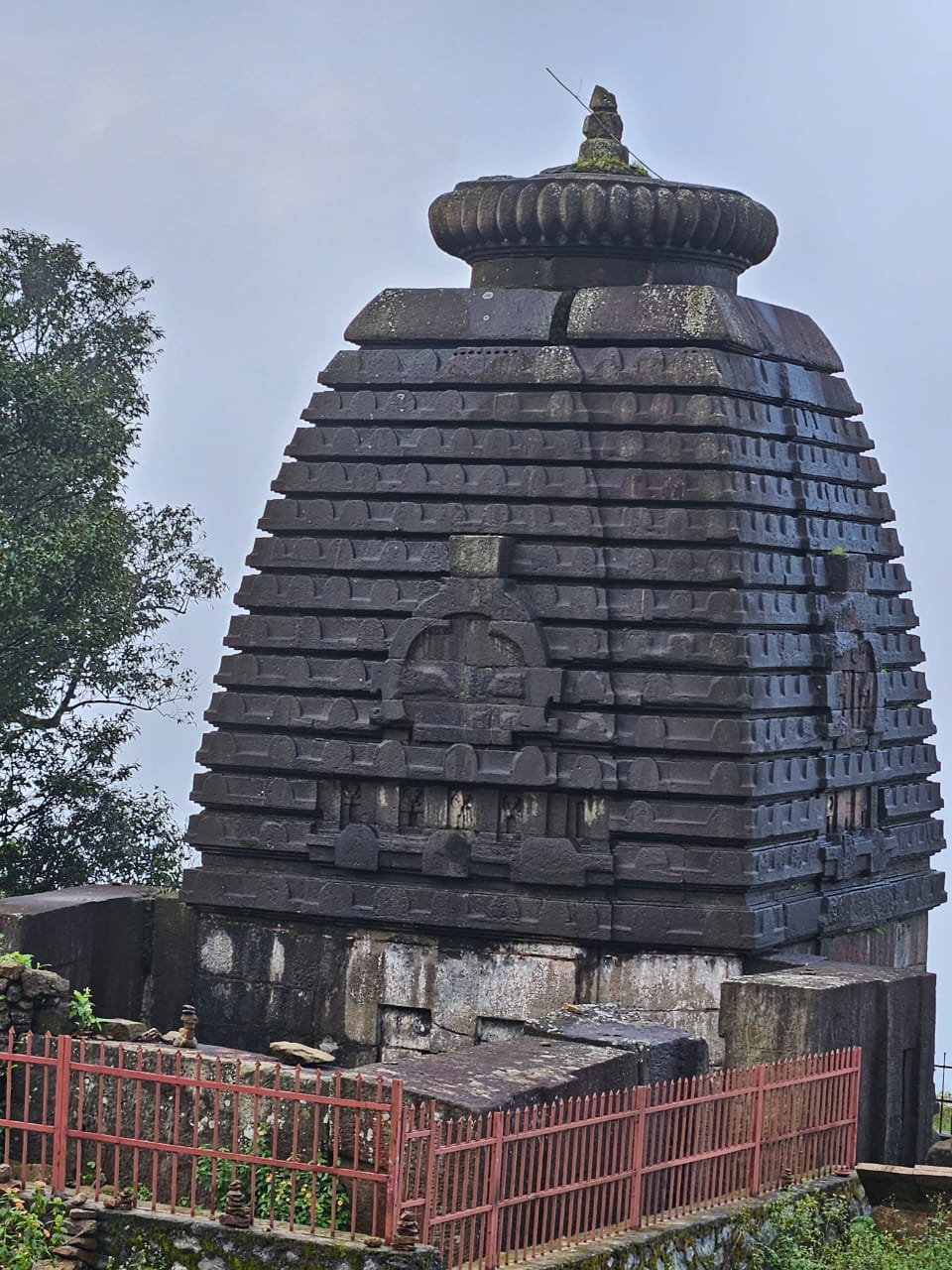
I was wondering as to why would the Cholas build a temple here for something in eastern Chalukya kingdom of Vengi? That would mean their zone of influence extended upto eastern Ganga Kingdom of southern Kalinga (often called just Kalinga) centred at Mukhalinga. Maybe, Mahendragiri served as a border between Kangoda-the middle kingdom of Kalinga and Utkala – the northern half. (Kangoda was most of the time part of the northern half except for a short time probably).
Google search though says that following Vimaladitya’s death, it was Raja Raja l who attacked Vengi over a succession duel between half brothers Narendra Rajraja and Vijayaditya Vll. There are few smaller temples which look evidently much older, but I could not find who built them and to which deities they were dedicated. Or were they built to house any monk?
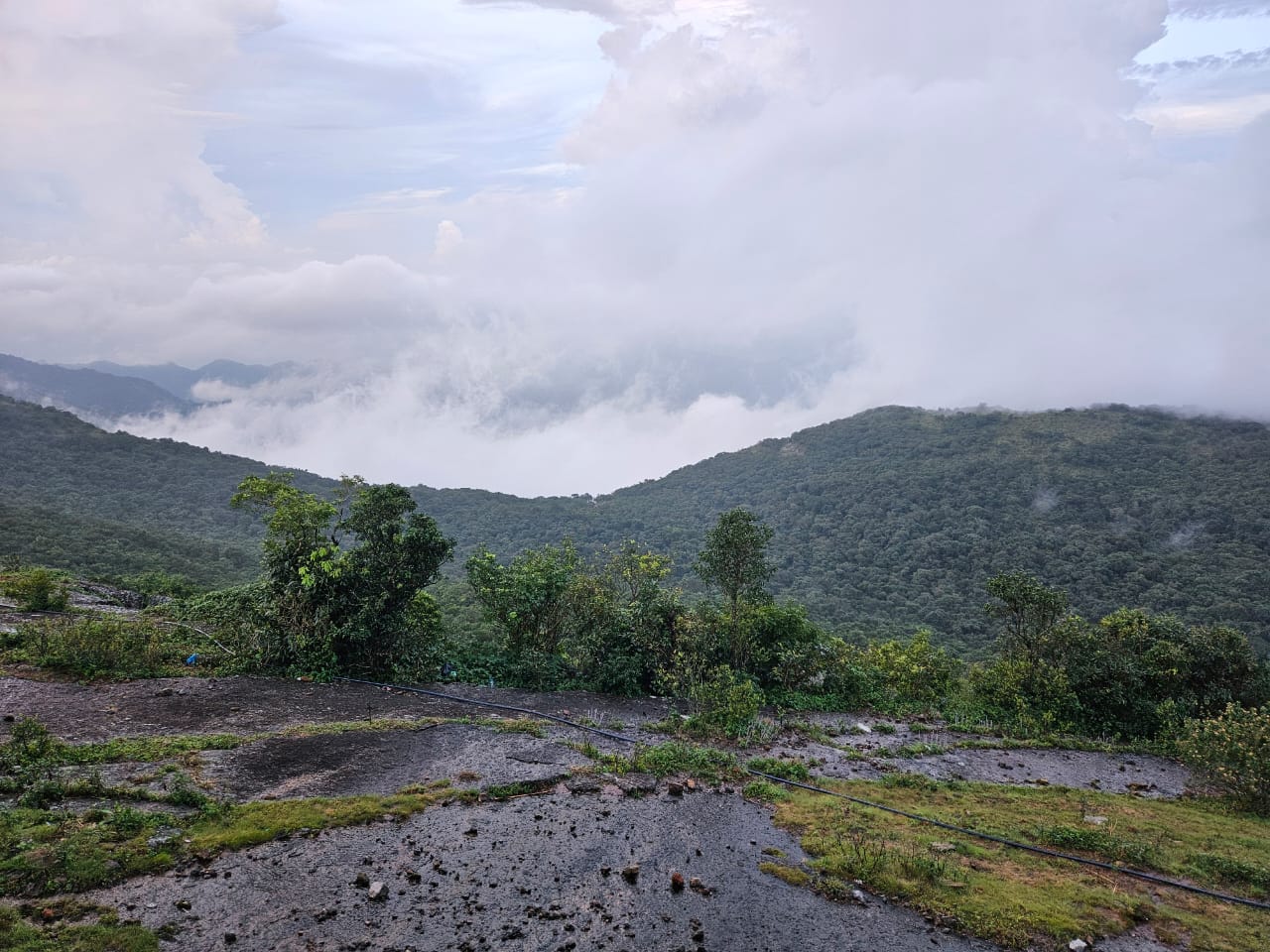
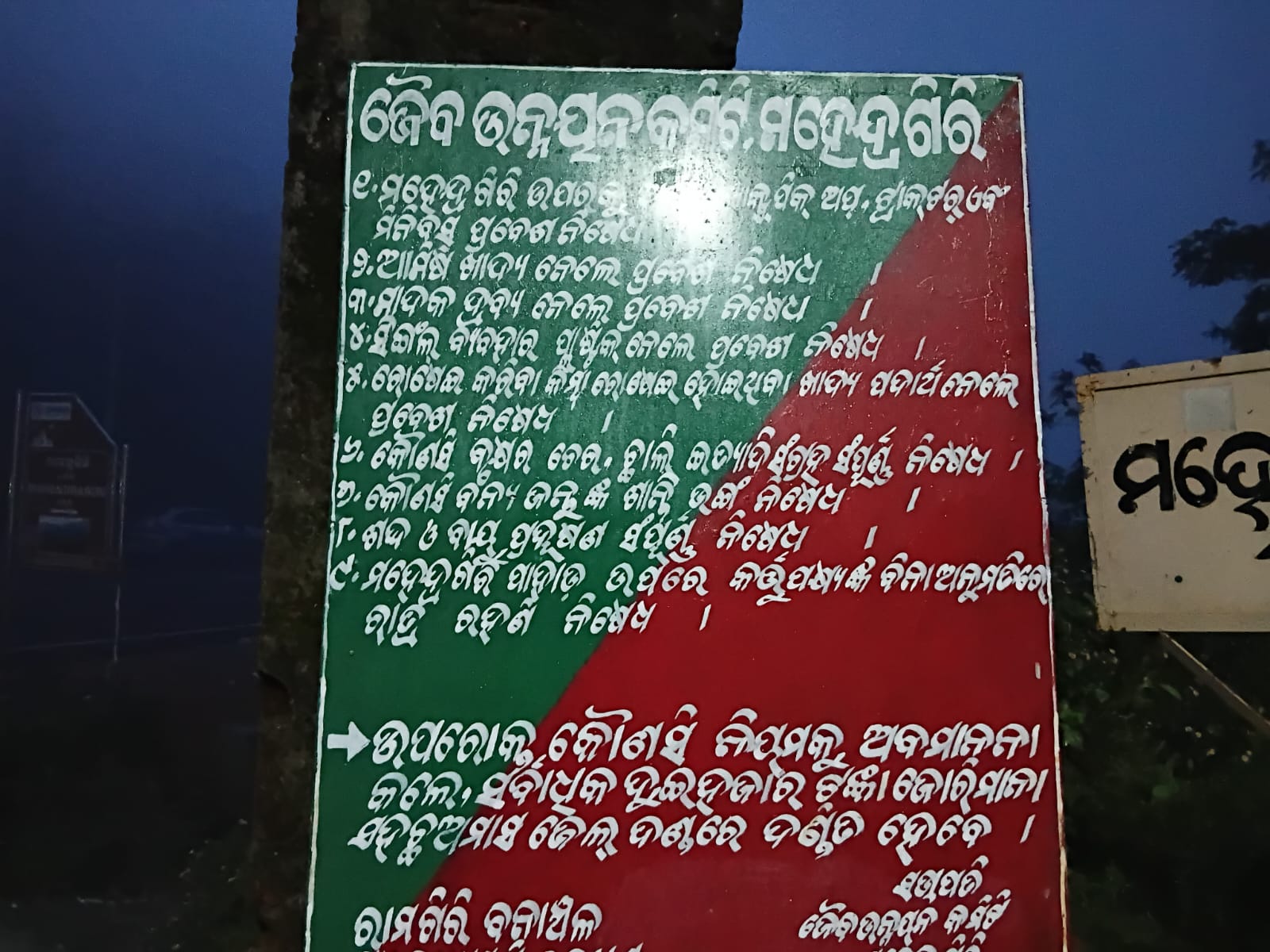
The place probably has many rare important medicinal plants. So, a board says it is strictly prohibited to take any part or whole of any plant from here and there is a watch tower to detect fire and extinguish it as soon possible which further confirms the importance of plants found here. Feeling lucky not only to have visited such an important and beautiful place, but also to have escaped being stranded because of land slide that occurred just next day as a result of unusually long and heavy rain fall this year.
(Contents for this article provided by Dr. Siddhartha Mishra. He is a practising physician currently based in Ranchi. He is an avid traveller with special interest in exploring historical and culturally important places.)

