
Shradhavan labhate Jnanam – One who is curious gains knowledge
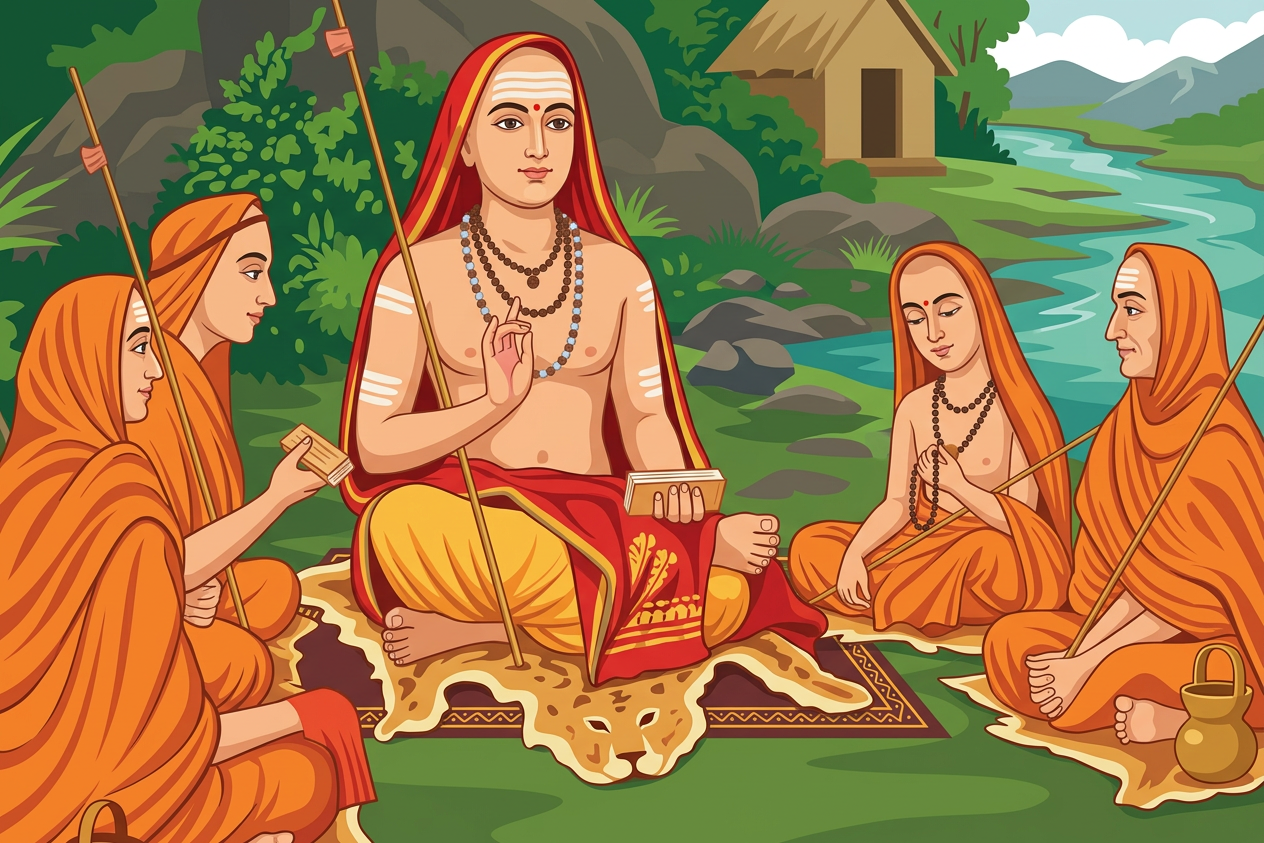
Jnana yoga is translated as the yoga of the knowledge and knowledge is associated with lots of information. A person who has lots of information is considered to be knowledgeable. A person may have all the knowledge of the world, but the question may not arise in him as to why are all things transient and whether there is something permanent behind all things transitory.
However, such a question may arise in a kid who does not have much information about the world. It happened with Ramana Maharshi. It happened with Adi Shankaracharya. Jnana yoga needs sharp intellect and the willingness to go into the realm of the unknown using what is known.
It also needs the right knowledge. If the knowledge just creates a comforting ideology or a belief system, one will remain contended in the state of ‘this is it ‘or ‘I know it all’. He will fail to enquire into the reality by discarding the robe of his limited understanding. All his knowledge will only be borrowed knowledge. That is why many intellectuals never tread the spiritual path. They limit their mind to what is tangible. They develop the stubborn belief that there is nothing beyond what is tangible.
The vedic texts are divided into two parts – the Karma Kanda and the Jnana Kanda. The Karma Kanda is all about the rituals to be performed on various occasions. The Jnana Kanda contains the Upanishads where in clues are there to contemplate about the ultimate reality. It is repository of the experience of the ancient Rishis who had experienced the ultimate reality.
It will be extremely difficult for a layman or for some one who has no interest in deep introspection and contemplation to understand the contents of vedanta. That is how may westerners have interpreted the Upanishads in ridiculous ways. They have tried to find parallels in western logical thought systems and failed miserably.
Adi Shankaracharya has provided four tools that can help someone who wants to take to the path of Jnana Yoga. These are called sadhana chatustayas.
The first one is viveka or the development of the discrimination to distinguish between what is eternal and what is temporary. The second one is developing detachment towards worldly pursuits knowing that these are temporary. This is know as vairagya or dispassion.
While the first two are about development of certain attitudes or tendencies the third one is about acquiring six qualities that Adi Shankaracharya call as shad sampat or six types of wealth that would help the seeker. These are:
Sama – Seeing everyone as equal. To be practical, you may have to treat different people differently, but inwardly considering everyone as the manifestation of the same divine principle and hence not to have biased feelings.
Dama – Having a say over the senses.
Uparati – Rejoicing in self rather than in outward objects.
Titiksha – Forbearance. Not giving up in the face of unfavourable situations.
Sraddha – Love for spiritual contemplations. Curiosity.
Samadhana – In a state of equanimity. Not being swayed by the opposites.
The fourth one is Mumukshuta which means an intense desire to be free.
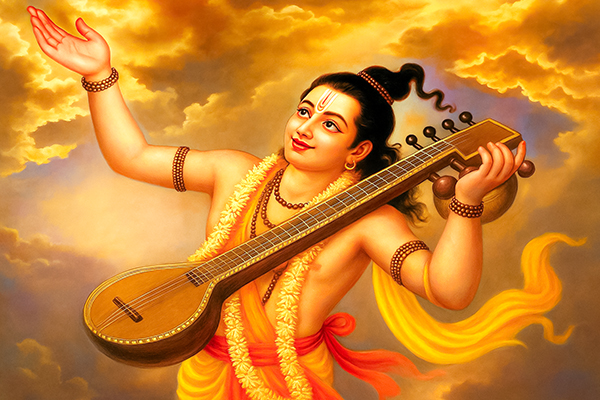
Some scholars consider Bhakti Yoga as the opposite of Jnana Yoga. But these two can complement each other. That is what Narada Muni says in his Bhakti Surtras.
Narada Bhakti sutra is one of the primary treatises of Bhakti Yoga. Narada Muni defines bhakti as the ultimate manifestation of love.
सा त्वस्मिन् परमप्रेमरूपा
Sā tvasmin parama-prema-rūpā
It is the state of ultimate love. It is obvious that such a form of love can only come for the ultimate reality or the higher power that rules everything. Sufis sing their bhajans in the form of an offering to a beloved. For them the divine becomes the beloved. Krishna bhaktas consider Krishan as their beloved. It is said that the gopis who participated in Rasha Leela were all Rishis in their previous lives.
If Jnana Yoga is all about using the intellect and then transcending it, Bhakti is all about using the emotions and then transcending it.
Gurudev Sri Sri Ravi Shankar says that all the emotions and feelings we have are primarily love. The negative emotions are just distortions of love. When love for the divine is distorted as love for material things it becomes greed, and so on.
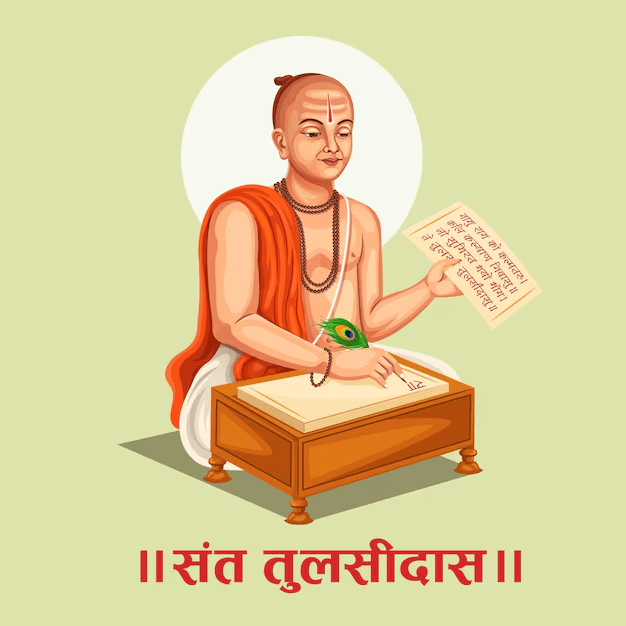
In Rama Charita Manasa Goswami Tulsidas talks of navadha bhakti or nine types of Bhakti. These are:
Satsang - Company of the saints or fellow sadhaks
Mama Katha Prasang - Listening to the stories of the deeds of divine avatars
Guru Seva - Serving the spiritual master
Kirtan and kapata tyaga - Singing the glory of the divine and shunning all ulterior motivers
Mantra japa & dhrida vishwasha - Chanting of mantras with firm faith in the divine
Sheela, Dama & Bahu Karma Virati - Being of virtous disposition, Having a say over senses, and not being too busy      with wolrdly pursuits.
Sama drisiti - Seeing the divine everywhere.
Santosha & paraninda tyaga - Being contended resisiting from the attitude of blame.
Sarala chhala hina - Simplicity and lack of crookedness
Bhakti and Jnana do complement. But as distinct spiritual paths the emphasis of each is different. The approaches may also be different. In Jnana Yoga one may start with the affirmation that ‘Aham Brahmasmi’ – I am that Brahman and strive to make it an experiential reality. In Bhkati Yoga, at the beginning one considers oneself as different form the divine. But the ultimate goal is to merge with the divine. Paths may be different but, the goal is the same.
This post is a part of Blogchatter A2Z Challenge 2026
This year my theme is – Yoga A2Z
 PEBBLES AND WAVES
Very informative blogpost.
LikeLiked by 1 person
Thank you
LikeLike