
यमनियमासनप्राणायामप्रत्याहारधारणाध्यानसमाधयोऽष्टावङ्गानि॥२९॥
Yama, Niyama, Asana, Pranayama, Pratyahara, Dharana, Dhyana, Samadhi - are the eight limbs (Patanjali Yogasutras - 2:29)
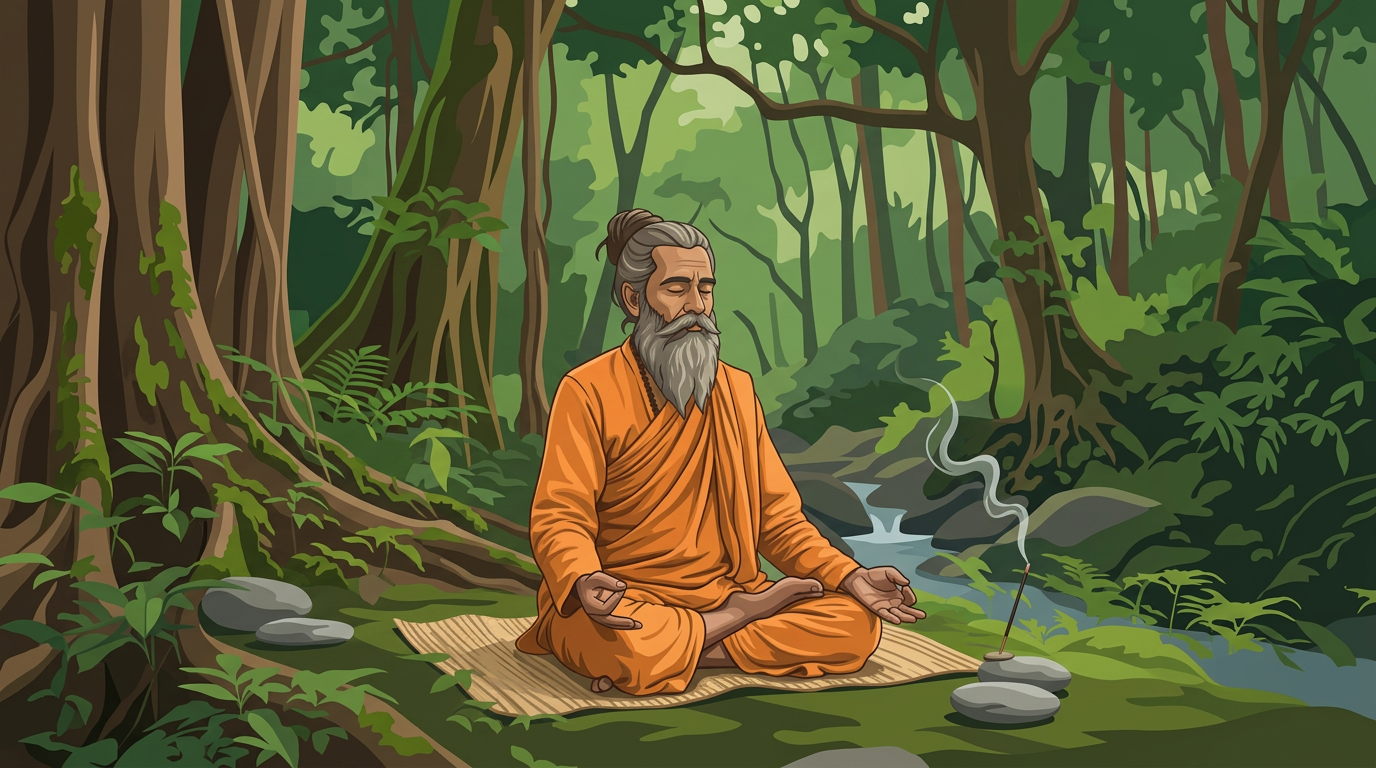
There are eight limbs of yoga. The first five limbs are known as outer practices and the rest three are known as inner practices. The first five limbs of yoga prepares the yogi for the next three.The outer practices have been briefly discussed in the post Eight Limbs of Yoga. In Patanjali Yogasutras, the first five are discussed in the second section called the Sadhana Pada, while dharana, dhyana and samadhi have been discussed in the third section called Vibhuti Pada.
The sixth limb of yoga is Dharana. Patanjali defines Dharana as –
 देशबन्धश्चित्तस्य धारणा
deshabandhaschitashya dharana /3:1/
Dharana is holding the consciousness steady on a target
Chitta has been loosly translated as consciousness here. Some translate it as mind. Usually the consciousnesses is never steady. It is difficult to stop it going from here and there. The purpose of yogic practices is to develop the ability to direct it as per one’s will.
 तत्र प्रत्ययैकतानता ध्यानम्
Tatra pratyaikatanata dhyanam /3:2/
Feeling oneness with the object of Dharana is Dhyana.
Dhyana is usually translated as meditation. Often dharana is interpreted in ways that sounds similar to meditation. In many of the interpretations of these two sutras the differences blur. So it is important to distinguish dharana from dhyana. In fact Patanjali has done it. Now let us understand it.
Dharana requires one to focus on an object till the focus becomes steady. But even after the focus becomes steady the awareness remains that one is different from the object. In Dhyana according to Patanjali, the feeling of duality does not remain. The consciousness reaches the non-dual state which has been so much glorified in Vedanta teaching. The subject and the object become one. The seen and the seer become one.
Interestingly, we have discussed in the second post of this series that Samadhi is the goal of yoga. We have explored the symptoms of a person who is established in Samadhi. But here in this second pada, it appears as a method. Samadhi is the goal as well as a method. The goal of yoga is to be in samadhi 24×7. However, that does not prevent one to have one’s daily dose of samadhi. Samadhi is a combination of two words – Sama and adhi. It means – to be in state of equanimity. Sincere practices like asana, pranayama, or meditation result in a state of equanimity. But, with regular sincere practice, one can come to the state of samadhi just like that without needing the help of these techniques.
If you have ever joined an Indian music class and done sargam practice you will be able to relate well with this example. In the initial stage of vocal practice, to reach any note other than Sa, you have to take the help of Sa. But after some days of practice, you can reach any note without taking the help of the root note Sa. Same way, with practice, you can come to the state of samadhi whenever you wish without needing the intermediary steps. It used to happen with Rama Krishna Paramahansa. It could happen to you.
This post is a part of Blogchatter A2Z Challenge 2026
This year my theme is – Yoga A2Z
 PEBBLES AND WAVES
Bookmarking this post because it is enriching.
LikeLiked by 2 people
Thank you for showing interest in the post.
LikeLike
Very insightful post indeed.
LikeLiked by 1 person
Thank you
LikeLike